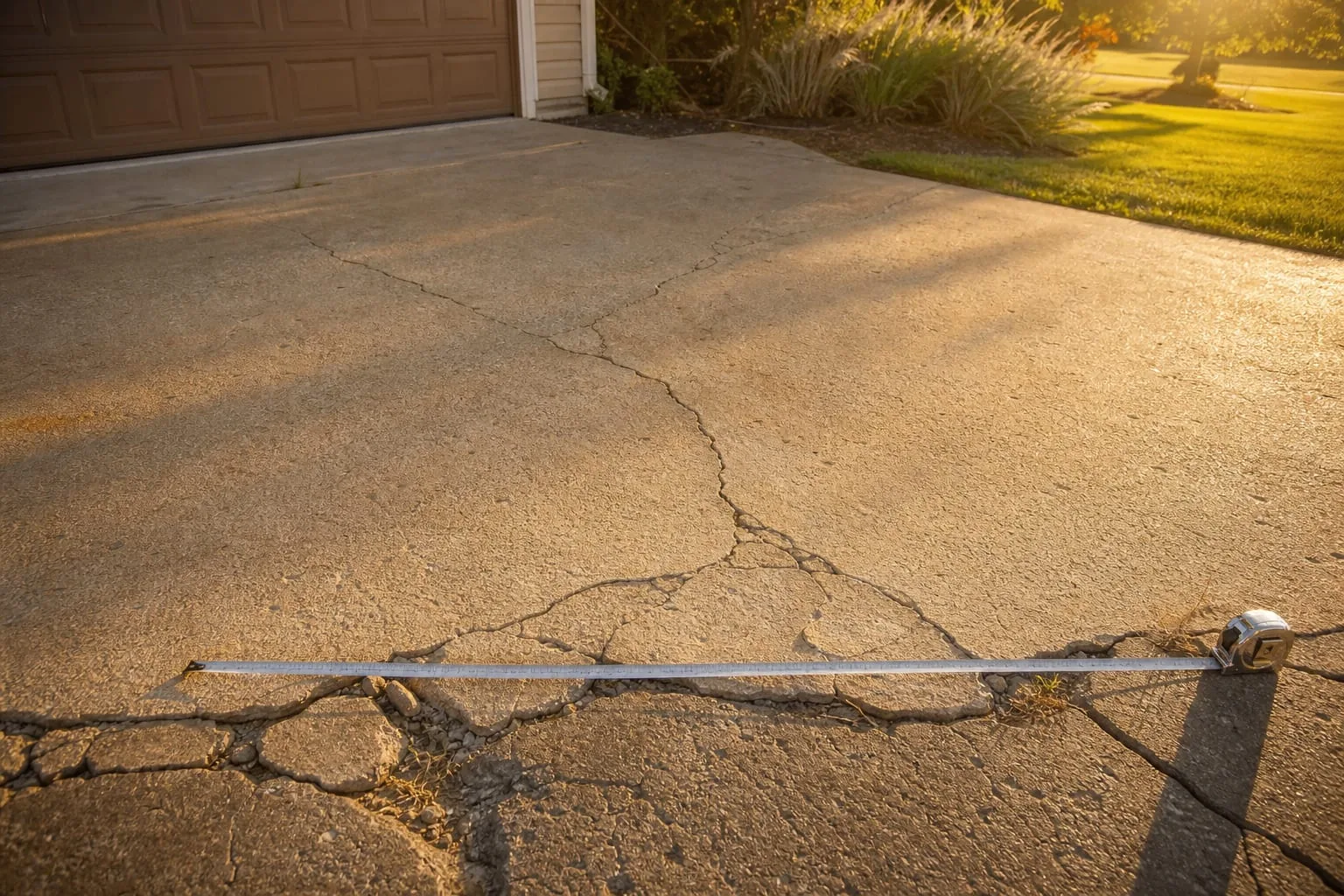
Picture the folder somebody assembles the week a dispute turns serious: printed emails, a page of notes written from memory, three photographs taken after the argument started, and a summary of a phone call that happened in March. It looks substantial and it is worth surprisingly little, because almost all of it was created by one party after that party knew it would be needed. The material that settles disagreements is nearly always made earlier, casually, by somebody who was not thinking about proof at all, and knowing which everyday records have that quality changes what a person keeps.
Contemporaneous Beats Thorough Every Time
The word that decides the weight of a record is when. A two line text sent on a Tuesday afternoon saying the tile arrived and the wrong color was delivered carries more weight than a careful three page account of the same events written in June, and it does so for an obvious reason: nobody sending that text had any motive to shade it. Records made in the ordinary course of doing something are trusted precisely because they were made before anybody had an interest in their contents.
This has a practical consequence that reverses most people's instincts. The valuable habit is not documenting a dispute but documenting a job, routinely, before there is any sign of trouble. A photograph a week, a short note after each site visit, a text confirming what was agreed on the phone: none of it takes effort, and any one item may become the thing that settles a question a year later. Somebody who starts recording only when a problem appears has, by definition, no record of the period the problem concerns.
What a Photograph Actually Proves
Photographs are the most overrated and most useful category at once, because they prove a narrower thing than people assume. An image shows a condition existing at a moment. It does not show a cause, it does not show who is responsible, and without something in the frame establishing when and where it was taken it does not even reliably show the moment. Modern phones attach a date and a location to the file, which is genuinely useful, though that information travels only with the original file and not with a screenshot or a printed copy.
Three habits make photographs carry their full weight. Shoot wide before shooting close, so the detail can be placed in a room rather than floating without context. Include something with a date visible in at least one frame, a newspaper, a dated delivery ticket, a phone screen. And photograph the ordinary state of things at the start, since the before image is the one nobody has and the one every argument eventually needs.
The Records You Already Have
Most households and small companies are sitting on far better evidence than the folder they would assemble. Bank and card statements establish what was paid and when, without dispute. Text threads are dated, ordered, and awkward to reconstruct dishonestly. Email carries headers that fix its timing. Calendar entries made in advance show what was expected. Supplier delivery tickets, permit inspection records, and utility usage data all sit with third parties who have no interest in the outcome, which is exactly what makes them persuasive.
The neglected step is preserving them before they expire. Text messages are frequently the strongest record anybody has and phones lose them routinely, through an upgrade, a backup that never ran, or an automatic deletion setting nobody noticed. Exporting a relevant thread takes a few minutes and produces something that will still exist in two years, which is roughly how long these matters take to resolve when they resolve slowly.
The Three Weak Kinds People Rely On Most
Memory written down late is the first, and it is weak not because the person is lying but because everybody reconstructs events in the direction of their own case without noticing. A note dated the day it happened is a record; the same note written in June describing March is testimony with a page number. It has value, and it has considerably less value than its author expects, which is worth knowing before somebody spends a weekend producing one and believes the matter is now settled.
The second is the summary of a conversation that only one party made. The third is the neighbor, the friend, or the crew member who was present and will confirm it, which sounds strong and behaves poorly, since the person is usually unavailable when needed, remembers a slightly different version, or has an evident relationship with one side. Any of the three can be converted into something much stronger by a single email sent at the time confirming what was said, which is the cheapest evidentiary habit available to anyone.
Keeping It So It Survives
A record that cannot be found is the same as a record that does not exist, and this is where most of the effort is wasted. One folder per matter, on a computer rather than a phone, with a copy somewhere else, and file names beginning with the date in year month day order so that everything sorts itself. Nothing about this needs software or a system, and the whole discipline amounts to putting things in one place with the date attached.
Return to that folder assembled the week the dispute turned serious. The version that wins is not thicker, better organized, or more indignant. It is thinner and older: a handful of dated texts, a delivery ticket, two photographs taken before anybody was worried, and a bank statement. All of it was created by somebody going about a job rather than building a case, which is precisely why it settles the question, and all of it was available for free to whoever had the habit of keeping it.