A DUI file is a durable good. It gets handled once, in a hurry, and then it sits in a background check database for years while you apply for apartments, renew a professional license, or explain an insurance surcharge to a broker who has never met you. The work that determines how that file reads in year eight happens in the first two weeks, most of it in one meeting with an attorney. The difference between a good first meeting and a barely adequate one is not eloquence. It is whether the person across the table can act that afternoon or has to wait for you to go home and find things.
Five items decide that.
1. Both clocks, written down, with the times of day
There are two proceedings running, and they do not know about each other. One is the criminal case, which starts with an arraignment date. The other is administrative: the state licensing agency moves to suspend your driving privilege independently of what any judge does, and you have to affirmatively request a hearing to stop it. That request window is short, counted in days from the date of arrest, and it usually carries a filing fee.
What changed is where the paperwork lives. Booking packets now often arrive as an emailed PDF or a portal link rather than a stack of carbons handed to you at release, and people delete them along with the rest of a bad night's notifications. Bring the actual document, not your memory of it. If you cannot find it, say so at the start of the meeting rather than the end, because reconstructing it is a phone call an attorney can make and you cannot.
An adequate first meeting establishes the arraignment date. A good one leaves with the hearing request already drafted or filed.
2. The footage, before the retention window closes
Nearly every stop in King County is now recorded from several angles: a patrol car camera, a body-worn camera on the contacting officer and often on a second officer, and video inside the precinct or jail where the breath test was administered. This is the single biggest practical change in DUI defense over the last several years, and it cuts both directions. Video that shows steady walking and clear speech is worth more than any witness. Video that shows the opposite ends arguments early and saves money.
The problem is that agencies delete on a schedule. Retention periods vary by department and by how the recording is classified, and some of the shorter ones expire well before a case reaches its first substantive hearing. Preservation letters have to go out fast. Most people book a consultation with a dui lawyer in seattle wa within a day or two of release, which is early enough to save the material that expires first. Waiting three weeks to shop around is the most expensive frugality available in this situation.
Bring anything you have yourself: a phone recording, a rideshare receipt with a timestamp, a bar tab, texts sent that evening. Those are your own retention problem, and phones get wiped and replaced.
3. Your own account of the eight hours, written before it fades
Write down what you ate and when. What you drank, over what span, and out of what size glass. Prescriptions, over-the-counter medication, an inhaler, a recent dental procedure, an injury that affects balance, an inner ear problem, contact lenses. Note whether the roadside tests were done on a slope, in the rain, in traffic wind, in dress shoes.
This matters because the roadside battery is a standardized procedure. The National Highway Traffic Safety Administration is the federal body responsible for the standardized field sobriety testing protocol that officers are trained on, and the value of a standard is that departures from it are visible. An attorney comparing your written account against the body camera footage is checking for those departures. A vague recollection offered out loud three weeks later is not usable for that comparison. A page written the next morning is.
4. What the fee covers, and where it stops
Ask for the scope in writing at the first meeting, not the total. DUI representation is commonly quoted as a flat fee, and the honest version of that quote says what it excludes: a separate fee if the case goes to trial, hourly billing for motion practice beyond a certain point, the cost of an independent expert to review the breath instrument's calibration and maintenance records, investigator time, and the licensing hearing if it is billed apart from the criminal matter.
A barely adequate engagement letter has one number in it. A good one has a number, a list of what triggers a second number, and a plain statement of who pays court costs and evaluation fees. Those evaluation and treatment costs are not attorney fees, and they land on you regardless.
5. The consequences that outlive the sentence
Bring your job. Specifically: whether you hold a commercial driver's license, a nursing or teaching or contractor license with a reporting duty, a security clearance, a position that requires driving a company vehicle, or immigration status that is not citizenship. Each of those changes which resolution is actually the best one, and some of them make a disposition that looks lenient on paper the worse choice.
Ignition interlock requirements, insurance filing obligations, and how the record appears to a future employer are the year-eight failure points. They are the part of the outcome you live with long after the court file closes, and they are negotiable only while the case is open.
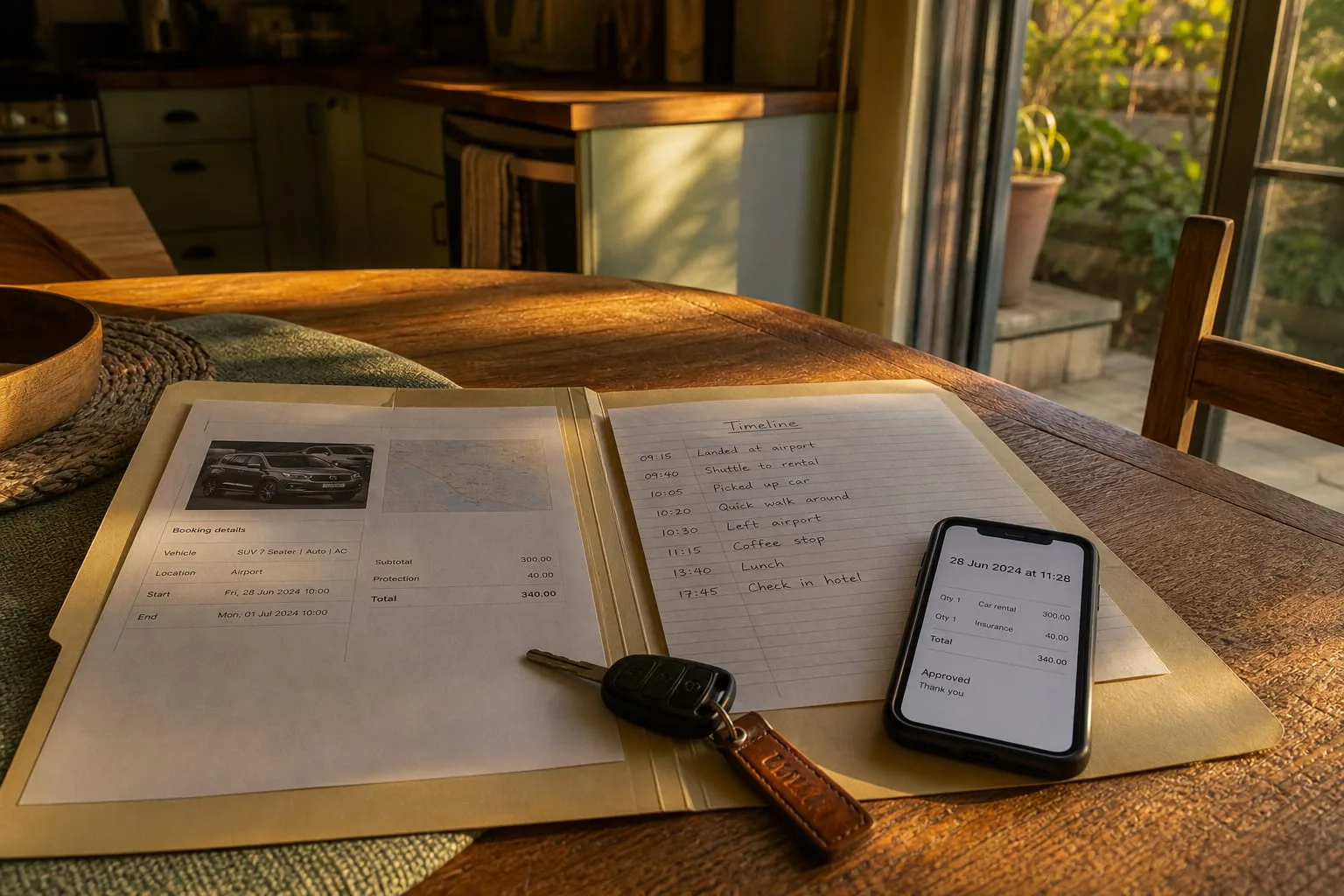
Put the five in a single folder, paper or digital, and hand it over at the start. The consultation stops being an interview and becomes work.