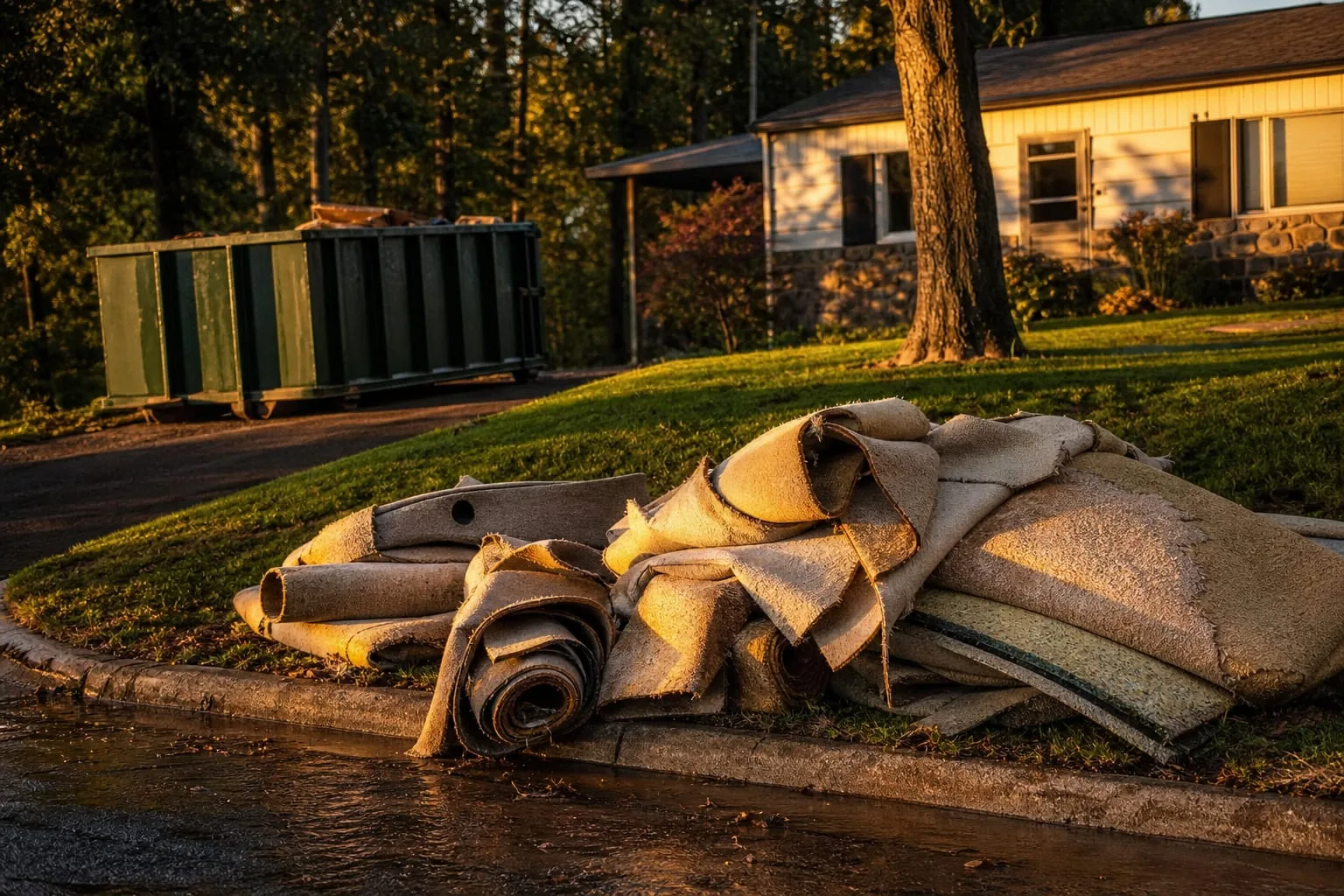
The common assumption after a loss is that the adjuster is there to find a reason to pay less, and that the correct posture is defensive. That framing gets people worse outcomes than the alternative, because an adjuster is applying a document to a set of facts and the facts are largely supplied by the homeowner. Somebody who arrives with an organized record of what happened and what was damaged is not being adversarial. They are supplying the raw material the adjuster needs, and claims handled that way settle faster and closer to the actual cost.
Who the Adjuster Actually Works For
A staff adjuster is employed by the insurer and an independent adjuster is contracted by one, and in both cases the obligation runs to the policy rather than to either party's preference. Their job is to determine what happened, whether the policy covers it, and what it costs to put right, and their file has to survive review by their own employer. That last point is the one homeowners can use: an adjuster needs documentation to justify paying, and a claim supported by dated photographs and a written inventory gives them the file they need.
A public adjuster is a third category and works for the homeowner for a percentage of the settlement. They are genuinely useful on large or complex losses and rarely worth the fee on a modest one, and the decision should be made on the size and complexity of the claim rather than on how the first conversation with the insurer's adjuster happened to go, since an awkward first call is a poor reason to give away a percentage of a settlement.
What to Do Before They Arrive
Three things, and the first is the most valuable. Photograph everything before moving anything, wide first and then close, including undamaged areas of the same room for comparison. Second, write a timeline: when it started, when it was discovered, when the water was shut off or the fire department left, when the insurer was notified, who was called. Third, keep every receipt for anything spent because of the loss, including a hotel, meals, and the fans rented on the first night.
Also worth doing is reading the declarations page before the visit, which most people never have. Knowing the dwelling limit, the contents limit, the deductible, and whether the policy pays replacement cost or actual cash value changes what the conversation is about, since those terms decide the arithmetic entirely, and a homeowner who does not know which basis applies cannot follow the explanation of how a figure was reached or tell whether it was calculated correctly.
The Walkthrough, and What to Say During It
Walk with them, point out what is not obvious, and say when something was already there. Volunteering a pre existing condition costs almost nothing and buys credibility that carries through the whole claim, whereas being caught concealing one puts every other item under suspicion. Take your own photographs of anything they photograph, and write down what was discussed the same evening while the account is still accurate rather than a week later when it has been retold twice.
Ask two questions before they leave: what happens next and by when, and whether anything else is needed from you. Then send a short email summarizing what was agreed, which is not a hostile act, is treated as entirely ordinary by anybody who handles claims for a living, and is the document that resolves any later disagreement about what was said in a room where nobody was taking minutes and both parties left with a different impression.
Scope Disputes and Price Disputes Are Different Arguments
Almost every disagreement is one of two kinds and they are resolved differently. A scope dispute is about what work is required: whether the adjuster's estimate includes replacing the whole floor or only the wet section, whether the ceiling gets painted or only patched. These are settled by evidence rather than by persistence, usually a contractor's written assessment explaining in specific terms why the smaller scope will not produce a durable repair. Adjusters revise scope on that basis routinely, and the revision is a normal part of the process rather than a concession.
A price dispute is about the cost of agreed work, and it is settled with numbers rather than with argument. Adjusters generally price from estimating software with regional cost data, and a local contractor's written estimate that differs substantially is the way to demonstrate the software is out of date for that market. Confusing the two produces the common frustrating conversation where a homeowner argues about the total and the adjuster keeps returning to line items. Naming which of the two is being disputed, at the start of the conversation, shortens it considerably.
When You Disagree, and the Paperwork That Shortens Everything
Escalation has a sequence and it is worth following in order. Ask for the estimate in writing with line items. Provide a contractor's estimate in the same format so the two can be compared line against line. Ask for a supervisor review, which is routine. Then invoke the appraisal clause if the policy has one, which is a defined process using two appraisers and an umpire and is considerably faster and cheaper than any alternative. A complaint to the state insurance department sits after that, and litigation after that.
Most of this is avoided by the same folder that made the first visit go smoothly: dated photographs from before anything was moved, a written timeline, an inventory with approximate ages and values, receipts, and a note of every conversation with a date and a name. Building it takes a few hours during a bad week and it is the single highest return activity available to anybody in the middle of a claim.
The adjuster who walks up the drive is neither an opponent nor a friend, and treating them as either produces a worse result than treating them as what they are: a person who has to write a defensible file and will write a better one if the facts are handed over in order. Households that understand this describe the process as tedious rather than adversarial, which is a fair description of what it should be.