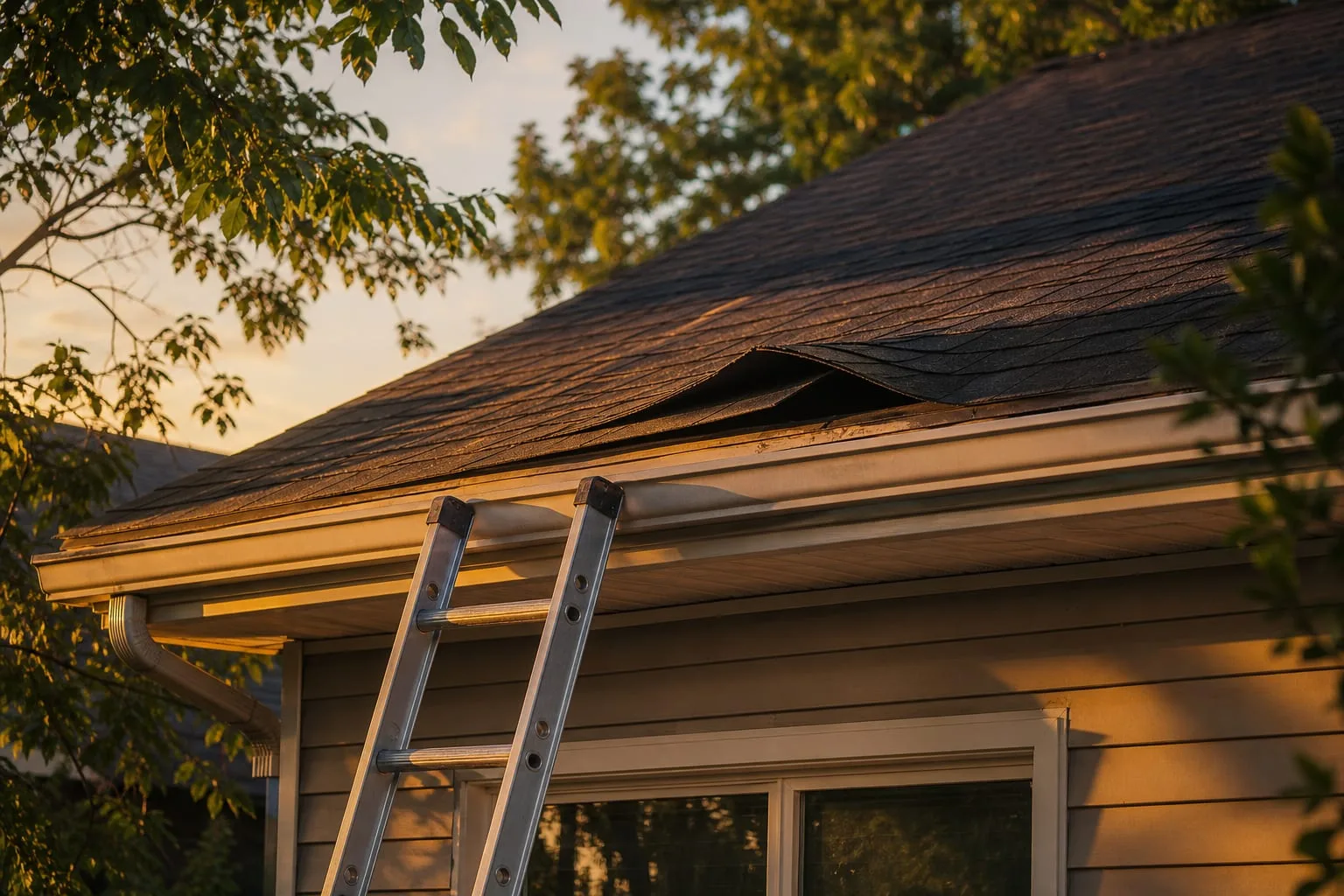
A hailstorm crossed a county in May, and a household with a fourteen year old asphalt roof filed a claim in June after finding granules in the gutters and two damaged vents. The adjuster inspected, and the denial letter arrived three weeks later citing wear, tear, and deterioration rather than a covered peril. Nothing about that outcome was unusual and nothing about it was final. The claim was reopened four months later and paid, and what changed was not the roof or anybody's opinion of it but three pieces of paper the household had not thought to supply.
What the Denial Actually Said
The letter did not say the storm had not happened, and reading it carefully was the first useful step. It said that the condition observed was consistent with age and normal deterioration rather than with a sudden accidental event, and it cited the wear and tear exclusion. That is a statement about causation, and causation is a question of evidence rather than of policy language, which meant the argument available was factual rather than legal. That distinction decided everything that followed, and it took one careful reading to find.
The distinction matters because households tend to respond to these letters by disputing the exclusion, which is unarguable and always present. The productive response is to accept the exclusion entirely and contest the finding that it applies, which is a much narrower question: was the damage present before the storm, or did the storm cause it. Everything that follows is an attempt to answer that one question with something better than an assertion. Nobody at the insurer was going to be persuaded by a homeowner insisting the roof had been fine, and nobody expected to be.
Why This Dispute Is So Common
Hail damage to an asphalt roof is genuinely difficult to distinguish from age related deterioration, particularly on a roof already past the midpoint of its life. Both produce granule loss, both produce bruising that shows as soft spots, and an adjuster walking a roof for twenty minutes is making a judgment rather than a measurement. Two competent professionals can walk the same slope on the same afternoon and reach different conclusions, both in good faith and both defensible on what they saw.
That ambiguity is exactly why documentation decides these claims. Where the physical evidence is equivocal, the party with dated records establishing the condition beforehand and the occurrence of the event has effectively answered the question, and the party relying on a twenty minute inspection has not. This is not adversarial so much as structural, and it explains why two households on the same street with the same roof and the same storm can receive different outcomes. Neither household is being treated unfairly, and only one of them will believe that.
The Three Documents That Changed the Answer
The first was a roof inspection report from three years earlier, obtained when the house was refinanced, describing the roof as being in serviceable condition with an estimated remaining life. That single document established a baseline, and it converted the argument from a claim about how the roof looked in June to a comparison between June and a documented condition three years before, which is a different and far stronger position to argue from, because it replaces an opinion about appearance with a comparison between two dated observations.
The second was local weather data for the specific date, showing hail of a reportable size at that location, which is publicly available and free. The third was a written assessment from a roofing contractor identifying the damage pattern as impact related and explaining specifically why: the distribution across slopes, the presence of damage on soft metal accessories, and the absence of the pattern that age related granule loss produces. That last document did most of the work, because it engaged with the adjuster's actual finding rather than disagreeing with the conclusion.
How the Reconsideration Went
The household wrote a two page letter attaching all three documents, stating plainly that it was requesting reconsideration of the causation finding rather than disputing the exclusion, and asking for a reinspection with the contractor present. The insurer sent a different adjuster, the contractor met him on the roof, and the two of them agreed on most of what they were looking at within half an hour. The revised determination came ten days later.
Two details about that process are worth noting. The request was made in writing and referenced the claim number and the original letter on every page. And the contractor being present mattered a great deal, because the discussion happened between two people who both walk roofs for a living rather than between an adjuster and a homeowner reading aloud from a document somebody else had written. Neither of those things costs money, and together they did more than any amount of argument about the exclusion would have.
What They Do Differently Now, and How to Ask
The household photographs the roof from the ground every spring, four images from four corners, and keeps them in a dated folder. It costs five minutes a year and it produces exactly the baseline that the refinance inspection happened to supply by accident. They also keep the receipts and reports from any roof work, and they noted the date of the next storm that passed through, which is the other half of the same record. A note of the date a storm passed over, made the week it happened, costs nothing and is remarkably difficult to reconstruct afterward.
Asking for reconsideration is a normal process and does not require anybody to be hired. Write to the claims department, reference the claim number, say what specific finding is being contested and what new information supports the request, attach it, and ask for a reinspection with a named contractor present. Where that fails, most policies contain an appraisal clause that resolves valuation disagreements through a defined process, and every state insurance department accepts complaints about claim handling. A denial letter is a position rather than a verdict, and a surprising share of them change when somebody answers the question the letter actually asked.