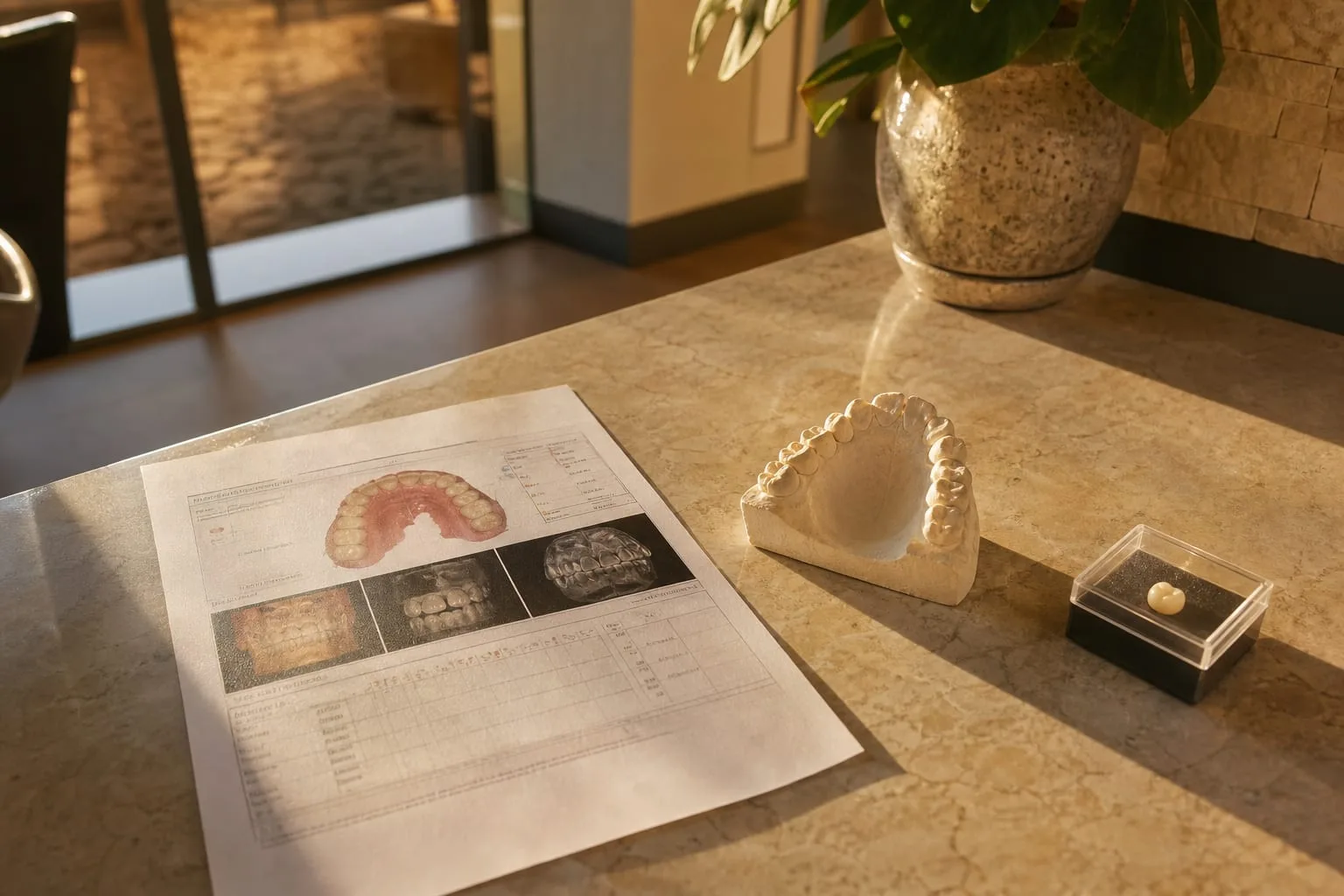
The estimate comes across the counter as a single figure with a start date. Under it sits a plan with visits, materials, a lab somewhere out of sight, and a set of small decisions that nobody at the front desk is going to walk you through. I have watched a lot of this work come back. Not in week one, when it looks fine and the patient is pleased, but in year six, seven, eight, when the margin gives way or the bite that was never quite right finally splits a cusp. The difference between the job that holds and the job that comes back is almost always visible in the quote, if you know which lines carry weight.
A course of treatment is just staged work: several appointments, in sequence, priced together. Dental restorative work, a run of physical therapy, orthodontics, a periodontal program. The word course is doing real work there, because the price is not for a thing. It is for a sequence, and sequences can be shortened.
The diagnostic phase is the cheapest place to spend money and the first place it gets cut
Every bad outcome I have seen traces back to a plan built on thin information. Imaging that was adequate for finding the obvious problem but not for seeing what was under it. A bite that was never recorded before the work started, so there was no reference for what normal looked like. A gum condition treated as background noise rather than as the thing that will undermine everything built on top of it.
Diagnostics are a small fraction of a treatment plan's cost and they set the ceiling on how good the result can be. When you compare two plans and one is meaningfully cheaper, check whether the cheaper one skipped straight to production. A plan that begins with measurement, a written sequence, and a stated reason for each step is a plan somebody thought about. A plan that is three line items and a date is a price, not a plan.
Ask for a pre-treatment estimate in writing, with procedure codes, before anything is scheduled. Insurers call this a predetermination and it costs you nothing but a couple of weeks. It also forces the plan onto paper, which is where you can read it.
Materials and lab work are where the quotes genuinely diverge
Two crowns can differ in price by a factor of three, and the tooth they go on looks the same afterward. The divergence is in the material, the lab, and the amount of back-and-forth between the practitioner and the technician who actually made the thing. A local lab that returns a piece for adjustment twice before it is seated costs more than a volume lab with a four-day turnaround and no conversation. The Food and Drug Administration regulates dental devices and materials, so the raw stock is not the variable. The variable is fit.
Fit is what fails in year eight. A margin that sits a fraction of a millimeter off the tooth is invisible, passes the seating appointment, and collects bacteria for six years until there is decay underneath a restoration that itself is perfectly intact. You then pay again, and the second time the tooth has less structure to work with, so the second restoration is bigger and more expensive than the first. That is the real arithmetic of a cheap crown.
The questions worth asking are unglamorous. Which lab. What material, and why that one for this tooth. If it does not seat correctly, does it go back, and who pays for the remake. A practitioner who has done this many times will answer those without hesitating, because they have already had the argument with a lab and they know which one they trust.
Chair time is not padding
A restoration placed in forty minutes and one placed in ninety can look identical when you get up. The extra fifty minutes went into isolation, keeping the field dry, seating and checking and reseating, and adjusting the bite while you tap and slide your jaw around until it stops feeling like a stranger in your mouth.
That bite adjustment is the single most undervalued fifteen minutes in the whole sequence. A high spot you stop noticing after a week is still there, and it concentrates load on one point of one tooth every time you chew, several thousand times a day. Cracked porcelain, a loosened crown, a fractured root: these are usually load problems wearing a different name.
So when a plan quotes fewer visits and shorter appointments, that is not efficiency by itself. Sometimes it is. A practitioner with volume and a good assistant genuinely works faster. But ask what happens at the follow-up, and whether there is one. A plan with no scheduled check after the final visit is a plan that assumes nothing needs adjusting, and something almost always does.
What legitimately changes the number, and what to do about it
Some cost drivers are not negotiable and not anyone's fault. What is found once work begins. Bone quality. Whether an existing restoration can be built on or has to come out. A good practitioner names these as contingencies up front, with a price attached to each, rather than presenting them later as a surprise.
Others you can manage:
- Sequence across calendar years. Most dental plans have an annual maximum. Splitting a large course across December and January can move real money without changing a single clinical decision. Ask whether the sequence allows it.
- Phase by urgency. Stabilize what is actively failing, defer what is cosmetic or slow-moving. Get the deferral in writing with a review date so it does not simply get forgotten.
- Pin down the warranty. How long, what it covers, what voids it. A five-year remake policy on a crown tells you something about how confident the practitioner is in their lab.
- Ask what the maintenance costs. Retainers get replaced. Implants need cleaning appointments. A number that ignores upkeep is not the real number.
The plan you want is the one that reads like it was written by someone expecting to see you again in a decade, because that is the person who has to live with the work. Take the two weeks. Get the codes on paper. Ask about the lab.